83Our estimate from five manufacturer specs: treadwear, traction and temperature grades, mileage warranty and speed rating. Not a road test or review score.StrongFrom 4 of 5 specs
- Warranty
- None listed
- Treadwear
- 500
- Traction
- AA
- Speed rating
- V · 149 mph
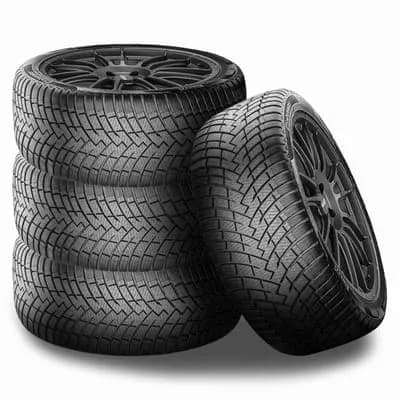
- Wet grip score of 9.5 significantly outperforms the winter category average of 5.7, making it an excellent choice for rainy winter conditions.
- Snow traction score of 8 aligns with the category's expectations, providing reliable performance in snowy conditions.
- Lack of a treadwear warranty may deter buyers looking for guaranteed longevity and cost predictability.