
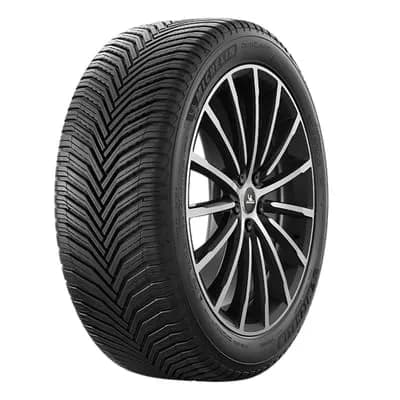
How to choose the right all-season tires
Selecting the right all-season tires for your vehicle can significantly impact your driving experience, safety, and budget. All-season tires are designed to provide reliable performance across a variety of conditions, from dry roads to light snow, making them a popular choice for many drivers.
This guide explains the sub-types, the specs worth comparing, and the tradeoffs between longevity, comfort and grip, so you can narrow the choice before you shop. It also covers the common sticking points: balancing longevity with performance, decoding cryptic tire specifications, and finding the best value within your price range.
Who this guide is for
This guide is designed for the average driver who wants to make an informed decision when purchasing all-season tires. You don't need to be a car enthusiast or have technical knowledge to benefit from it. We've translated tire specifications into practical advice for different driver needs and priorities.
- Daily commutersWho drive primarily on highways and city streets and need a balance of safety, comfort, and value.
- FamiliesSeeking a balance of safety, comfort, and value for family transportation.
- Moderate-climate driversLiving in areas with occasional light snow or rainy conditions without extreme winter weather.
- Vehicle owners who want one setLooking for versatility without seasonal tire changes, for convenience and cost savings.
- Budget-conscious buyersLooking to maximize value with the right balance of features and cost.
When you might need something different
If you live in an area with severe winter conditions (frequent heavy snow, ice, or sustained temperatures below 20°F/-7°C), consider dedicated winter tires for the cold season. Similarly, performance enthusiasts seeking maximum grip and handling in warm conditions might prefer summer tires.
Tire types compared
Before diving into specific characteristics, it helps to understand how the types of all-season tire compare. The all-season market splits into several sub-types, each designed to prioritize different traits.
| Tire type | Best for | Typical tread life | Price tier | Performance |
|---|---|---|---|---|
| Standard all-season | Daily commuters, family vehicles | 50,000–70,000 mi | Economy to standard | Good balance of comfort, handling, and efficiency; adequate in light winter conditions |
| Touring all-season | Comfort-oriented drivers, longer commutes | 60,000–80,000 mi | Standard | Enhanced comfort, quieter ride, longer wear; prioritizes smooth operation over grip |
| Performance all-season | Sports sedans, responsive handling | 40,000–60,000 mi | Standard to premium | Better grip and handling, sportier response; sacrifices some comfort for performance |
| Grand touring all-season | Luxury vehicles, comfort and performance | 50,000–70,000 mi | Premium | Premium comfort and handling, refined ride; balances luxury feel with capable performance |
| All-weather | Moderate winter conditions, snow-belt regions | 45,000–65,000 mi | Standard to premium | Better winter traction, with the Three-Peak Mountain Snowflake symbol |
All-weather tires are worth a look
If you drive in variable conditions, consider all-weather tires. They bridge the gap between all-season and winter tires and carry the Three-Peak Mountain Snowflake (3PMSF) symbol, which indicates they meet minimum requirements for severe snow service.
What to consider when buying all-season tires
Choosing the right all-season tires involves several key factors beyond price. Once the size is right, these are the ones that shape how a tire performs and how satisfied you are with it over time.
Tire size and specifications
Always match your vehicle's recommended tire size, which you can find in your owner's manual, driver's door jamb, or fuel door. The tire code (e.g., P215/65R16) indicates the tire type, width, aspect ratio, construction, and rim diameter.
| Code | Meaning |
|---|---|
| P215 | Width in millimeters |
| 65 | Aspect ratio (height as percentage of width) |
| R16 | Rim diameter in inches |
Tread life and warranty
Tread life is measured in miles and typically ranges from 40,000 to 85,000 miles for all-season tires. Most manufacturers offer treadwear warranties that guarantee a certain number of miles before the tread wears down to 2/32". A longer warranty usually signals a longer-wearing compound, but actual tread life depends on:
- Your driving habits (aggressive driving reduces lifespan)
- Road conditions (rough roads accelerate wear)
- Maintenance practices (regular rotation extends life)
Wet and dry performance
Wet traction is one of the most important safety factors. All-season tires with good wet traction have deeper grooves and sipes (small slits in the tread blocks) that channel water away to prevent hydroplaning.
What to check
The UTQG traction grade (AA, A, B or C) reflects straight-line wet braking under the standard test. It doesn't capture hydroplaning resistance or wet cornering, so treat it as a floor, not a ranking. UTQG ratings explained
Noise and comfort
Tire noise can significantly impact driving comfort, especially during highway travel. Modern all-season tires often feature noise-reducing technologies like variable pitch tread patterns or sound-absorbing materials inside the tire.
Touring and grand touring tires are designed with comfort and low noise as priorities, while performance-oriented tires usually trade some quiet for sharper response.
Fuel efficiency
Low rolling resistance tires can improve fuel economy by reducing the energy needed to move your vehicle. Many all-season tires now balance performance with better efficiency, which matters most if you drive a lot.
The difference between low and high rolling resistance tires is usually a few percent of fuel economy. That adds up for high-mileage drivers, and many premium tires use compounds that reduce rolling resistance without compromising wet traction.
Best use cases for all-season tires
Moderate climate driving
All-season tires excel in regions with mild winters and moderate temperature fluctuations. They provide adequate traction in light snow and rain while performing well in dry conditions.
These tires are engineered with a rubber compound that stays flexible in cool temperatures while maintaining durability in warmer weather. The tread designs incorporate elements that work effectively across a range of typical conditions without extreme specialization.
In short: If your area rarely sees temperatures consistently below freezing or heavy snowfall, all-season tires are likely your best year-round option.
Daily commuting and family vehicles
For daily drivers seeking reliability, comfort, and value, all-season tires deliver a balanced performance profile. They provide sufficient handling capability for everyday driving while offering longer tread life than specialized performance tires.
These tires typically prioritize a comfortable ride with reduced road noise, making them well suited to daily commutes, family road trips, and routine driving. The moderate tread patterns offer predictable handling that most drivers find confidence-inspiring without being overly aggressive.
In short: Ideal for sedans, minivans, crossovers, and small SUVs used primarily on paved roads.
Budget-conscious drivers
The versatility of all-season tires eliminates the need for seasonal tire changes, saving both money and storage space for separate tire sets. One set can carry you through multiple seasons.
Beyond the purchase itself, you'll also save on the labor costs of twice-yearly changeovers and avoid storing a second set. Many drivers find that quality all-season tires deliver sufficient performance without the expense and hassle of maintaining multiple specialized sets.
In short: A cost-effective choice for drivers who want to avoid purchasing, storing, and switching between dedicated summer and winter tires.
When all-season tires aren't enough
Despite their versatility, all-season tires have limitations. The "all-season" designation represents a compromise that, while serviceable in many environments, has definite performance boundaries.
In regions with consistent below-freezing temperatures, deep snow, or icy roads throughout winter, dedicated winter tires with specialized rubber compounds and aggressive tread patterns provide significantly better traction and safer handling. Similarly, drivers seeking maximum performance in hot weather may benefit from summer tires that offer more grip and responsiveness in warm conditions.
In short: Consider winter tires for deep snow and ice, summer tires for very hot climates, or all-weather tires (with the Three-Peak Mountain Snowflake symbol) for better winter performance.
All-season tire brands to consider
Brand matters less than the specific model, but these makers cover most of the all-season market. Warranty figures are the manufacturer's; check the exact size you need on each tire page.

MichelinPremium
A broad all-season range, from long-wear touring tires to all-weather options. Usually priced at the top of the market.
Models to look at: Defender T+H (80,000-mile treadwear warranty); CrossClimate2 (all-weather, 3PMSF-rated)
Best for: Drivers who prioritize long treadwear warranties and all-around premium performance.

ContinentalMid-premium
German engineering with a wet-weather focus and EcoPlus Technology aimed at lower rolling resistance. Warranties typically run 60,000 to 80,000 miles.
Models to look at: TrueContact Tour (up to 80,000-mile treadwear warranty); PureContact LS (grand touring all-season)
Best for: Drivers who want long warranties and a wet-weather focus at a slightly lower price than the most premium lines.

BridgestonePremium
Common as original equipment on new vehicles, with proprietary technologies such as NanoPro-Tech and ECOPIA for fuel efficiency.
Models to look at: Turanza QuietTrack (built around low road noise, 80,000-mile warranty); WeatherPeak (all-weather design)
Best for: Drivers who prioritize comfort, noise reduction, and consistent performance from a globally recognized brand.

CooperValue
A value-oriented American brand with touring and grand touring all-season lines.
Models to look at: CS5 Grand Touring (grand touring all-season); Evolution Tour (touring all-season)
Best for: Cost-conscious drivers who still want a mainstream touring tire.

GeneralValue
A Continental subsidiary offering long warranties at mid-range prices.
Models to look at: AltiMAX RT45 (up to 75,000-mile treadwear warranty)
Best for: Drivers who want a long warranty without paying premium prices.

YokohamaValue
A grand touring all-season line positioned at a more accessible price point.
Models to look at: AVID Ascend GT (65,000-mile treadwear warranty)
Best for: Drivers who want grand touring comfort at a lower price.

HankookValue
A value brand whose touring line carries one of the longest warranties in the category.
Models to look at: Kinergy PT (up to 90,000-mile treadwear warranty)
Best for: High-mileage drivers who want a long warranty at a value price.
Cost expectations and value tiers
Economy
- Brands like Douglas, Sumitomo, and Uniroyal
- 40,000–50,000 mile tread life
- May compromise on wet traction or comfort
Best for: Older vehicles, limited budgets, short-term solutions
Standard
- Brands like Cooper, General, Kumho, and budget lines from premium brands
- 55,000–70,000 mile treadwear warranties
- Good balance of performance and value
Best for: Most drivers seeking balance between cost and performance
Premium
- Brands like Michelin, Bridgestone, Continental, and Pirelli
- 70,000–85,000 mile treadwear warranties
- More advanced compounds, often with stronger wet grip and a quieter ride
Best for: Luxury vehicles, performance-focused drivers, high-mileage drivers
Calculating true value
To find the best value, divide what you pay for a tire by the miles you expect from it to get a cost-per-mile figure. A tire that costs twice as much but lasts twice as long costs the same per mile:
| Tire | Relative price | Expected life | Relative cost per mile |
|---|---|---|---|
| Premium tire | 2× | 80,000 miles | Same |
| Budget tire | 1× | 40,000 miles | Same |
Consider additional factors like improved safety features, comfort, and potential fuel savings that might justify a higher initial investment.
Buying and care tips for all-season tires
Replace all four tires
Check the manufacture date
Consider your driving conditions
Maintain proper inflation
Rotate regularly
Tip: check pressure monthly
Keep a tire pressure gauge in your vehicle and check pressure monthly. Pressure can drop about 1 PSI for every 10°F decrease in temperature, making regular checks especially important during seasonal transitions.
Understanding tread patterns
The tread pattern on an all-season tire significantly shapes its character. Different designs prioritize different aspects of performance.
- Symmetrical patternsBalanced performance, typically longer wear, and a quieter ride. Common in standard all-season tires.
- Asymmetrical patternsDifferent inner and outer tread designs for improved handling and wet performance. Common in performance tires.
- Directional patternsV-shaped tread optimized for water evacuation and hydroplaning resistance. Require a specific mounting direction.
- Sipe patternsSmall slits in tread blocks that create biting edges for improved traction on wet and snowy surfaces.
Frequently asked questions
What's the difference between all-season and all-weather tires?
All-weather tires are a newer category that bridges the gap between traditional all-season and winter tires. They carry the Three-Peak Mountain Snowflake (3PMSF) symbol, which means they meet a minimum standard for severe snow traction, so they handle winter better than standard all-season tires while still working in warmer conditions. The usual tradeoff is somewhat shorter tread life and less composure in extreme summer heat.
Tip: All-weather tires are a good option for drivers in areas with regular but not extreme winter conditions who don't want to switch between seasonal sets.
How long do all-season tires typically last?
Most all-season tires last between 50,000 and 85,000 miles, depending on the specific model, driving conditions, maintenance, and driving habits. Tires with higher mileage warranties typically last longer.
Factors that increase life
- Regular rotation
- Proper inflation
- Alignment checks
- Gentle driving habits
Factors that reduce life
- Aggressive driving
- Poor road conditions
- Improper maintenance
- Extreme temperatures
Replacement indicators
- Tread depth below 4/32"
- Uneven wear patterns
- Cracks in sidewall
- Age over 6 years
Is it OK to mix different tire brands or models?
Ideally, all four tires should be the same brand, model, and size with similar tread depth. Different tires can have varied handling characteristics, potentially affecting vehicle stability during braking or cornering, especially in wet conditions.
Important: If replacement of all four isn't possible, at minimum keep identical tires on the same axle. For all-wheel drive and four-wheel drive vehicles, consistent tire circumference is particularly important to prevent drivetrain strain.
Can I use all-season tires in the snow?
All-season tires can handle light snow and occasional winter conditions but have significant limitations in deep snow, ice, or consistently cold temperatures (below about 45°F/7°C). The rubber compounds in all-season tires harden in cold weather, reducing grip.
Winter driving recommendation: For regions with regular snowfall or sustained freezing temperatures, dedicated winter tires or at least all-weather tires with the Three-Peak Mountain Snowflake (3PMSF) symbol are recommended for safer winter driving.
What do the numbers and letters on tire sidewalls mean?
A typical tire size code like "P215/65R16 95H" breaks down as follows:
| Code | Meaning |
|---|---|
| P | Passenger tire (or "LT" for Light Truck) |
| 215 | Width in millimeters |
| 65 | Aspect ratio (height as a percentage of width) |
| R | Radial construction |
| 16 | Wheel diameter in inches |
| 95 | Load index (weight capacity) |
| H | Speed rating (H = up to 130 mph) |
Additional markings include the UTQG ratings (treadwear, traction, temperature) and the manufacture date code (four digits representing week and year). See how to read a tire size for the full breakdown.
Conclusion
All-season tires remain the most practical choice for most drivers, offering a balanced blend of performance, comfort, and durability across a variety of conditions. By considering your specific needs (climate, driving style, vehicle type, and budget) you can find the all-season tire that delivers the best value and performance for your situation.
Remember that the best tire is ultimately one that matches your driving requirements and gives you confidence in the conditions you regularly encounter. Whether you choose a budget-friendly option or invest in premium tires, regular rotations, inflation checks, and alignments will maximize your tire's performance and lifespan.
Key takeaways
- Wet braking is a critical safety factor: check the UTQG traction grade and the tire’s category before price.
- All-weather tires with the Three-Peak Mountain Snowflake symbol handle winter better than standard all-season tires.
- Regular rotation and correct inflation help a tire reach its rated tread life.
- Standard-tier tires often provide the best balance of performance and value; premium tires can pay back for high-mileage drivers.